Hugo Reed · 2 September 2026
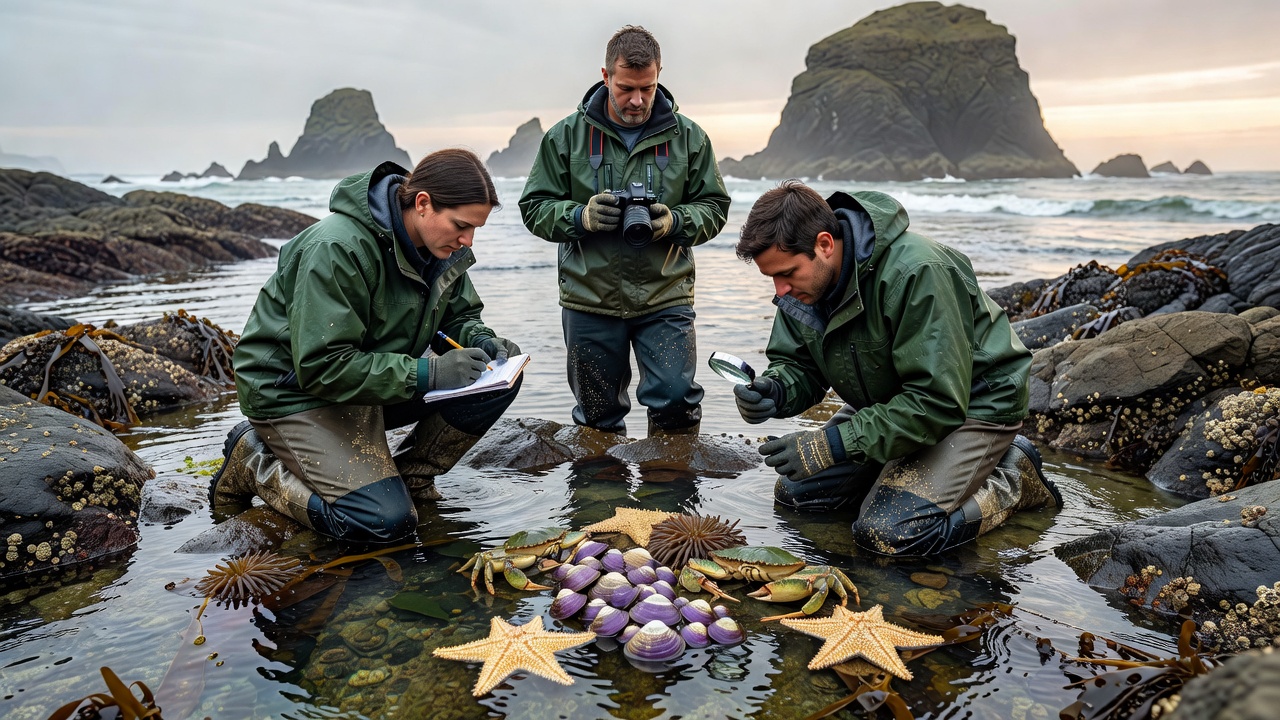
Marine biologists from Oregon State University have launched a comprehensive survey to monitor the spread of invasive species in coastal tidepools along the state's rugged shoreline. The project focuses on species such as the European green crab and the Japanese wireweed, which threaten native biodiversity in these sensitive intertidal zones. Researchers conduct quarterly field assessments at 12 sites from Cannon Beach to Brookings, recording population densities and environmental changes.
Survey Methods and Early Findings
Teams use quadrat sampling and underwater drones to map distributions without disturbing habitats. Data collected over the past 18 months indicate that green crab numbers have increased by 22 percent at northern sites, correlating with warmer sea surface temperatures. Wireweed mats now cover up to 15 percent of available rock surfaces in affected areas, outcompeting native algae. Genetic analysis of specimens helps trace introduction pathways, primarily linked to ballast water discharge and aquaculture transfers. Collaboration with local tribal nations incorporates traditional ecological knowledge to identify historical baselines for comparison.
Ecosystem Impacts and Management Strategies
Invasive species alter food webs by preying on juvenile mussels and displacing herbivorous snails, leading to reduced primary productivity. Tidepool pH levels have dropped slightly in heavily invaded pools due to shifts in algal composition. Management efforts include targeted removal of wireweed during low tides and public education campaigns urging boaters to clean hulls. Funding from the National Oceanic and Atmospheric Administration supports expansion to five additional monitoring stations next year. Continued vigilance is essential to prevent irreversible changes to Oregon's tidepool communities, which support diverse recreational and commercial interests.