Vera Schwarz · 2 September 2026
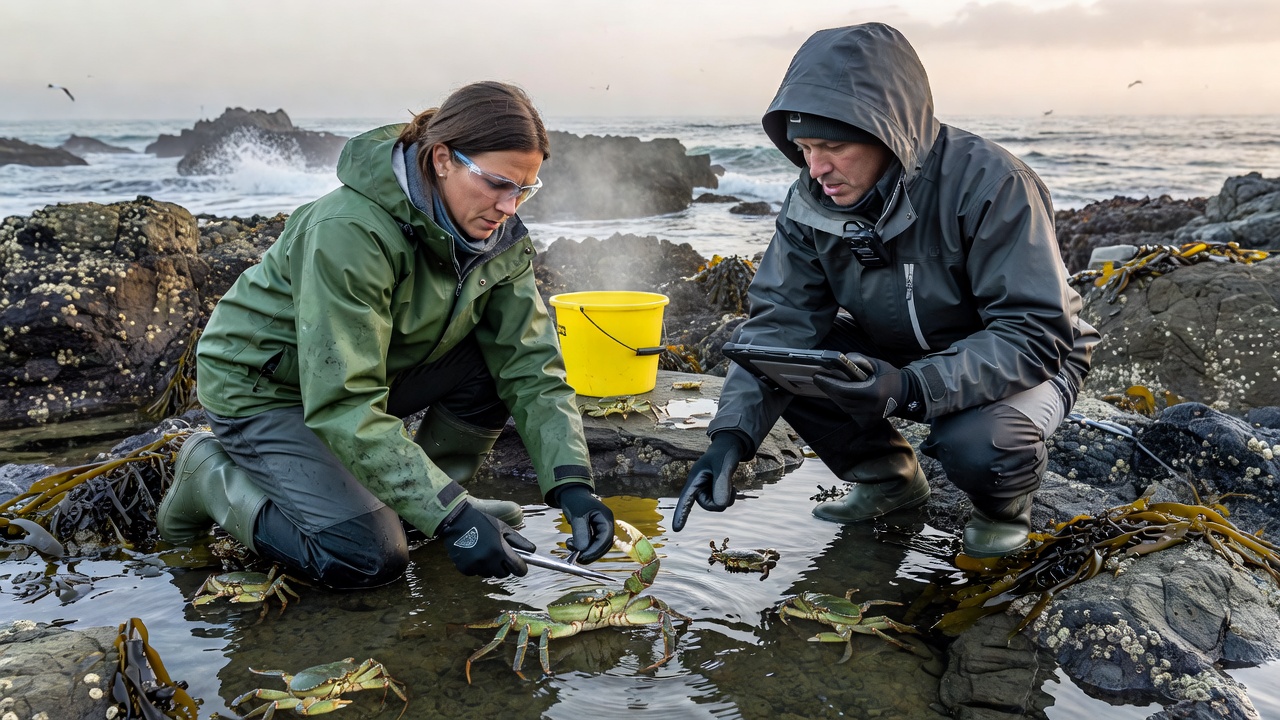
Scientists from several research institutions have launched a comprehensive study to monitor the presence of invasive species in Oregon's tidepools. The focus is on the European green crab, known for its aggressive behavior and ability to outcompete native species. Observations from field teams reveal that these crabs are establishing populations in rocky intertidal zones, potentially altering the food web dynamics. The project is funded by federal grants aimed at protecting coastal biodiversity. Teams consist of experts in marine biology and ecology who spend weeks in the field collecting samples and observing behaviors under varying tidal conditions.
Advanced Monitoring Methods
The researchers employ a variety of techniques including regular site visits, baited traps, and genetic analysis of water samples. These methods allow for accurate identification and population estimates. Data indicates a steady increase over the last five years. Collaboration with state agencies helps in mapping the spread and planning responses. Educational programs are also underway to inform the public about reporting unusual sightings. Climate variations are factored into models to anticipate further expansions along the coastline.
Effects on Marine Biodiversity
The introduction of non-native species poses serious risks to the delicate balance of tidepool communities. Native mollusks and crustaceans face competition for food and shelter. Studies show reduced numbers of certain algae species due to crab foraging. Long-term monitoring is essential to understand the full impact and to develop effective control measures that preserve the natural ecosystem functions in these coastal areas. Additional factors like ocean acidification are being considered in the models to predict future scenarios. Continued vigilance remains critical for sustaining the health of these unique marine habitats.